
Commodities have played a central role in global trade for centuries, and today they remain an important part of modern financial markets. Understanding commodities trading for beginners is essential for traders who want exposure beyond stocks and currencies.
Commodities offer diversification, inflation protection, and opportunities tied to real-world supply and demand. This beginner-focused guide explains how commodities trading works, what assets are involved, and how new traders can approach this market responsibly.
Commodities trading involves speculating on the price movements of physical goods rather than company ownership. These markets are influenced by economic trends, weather conditions, geopolitical events, and global consumption patterns, making them unique compared to other asset classes.
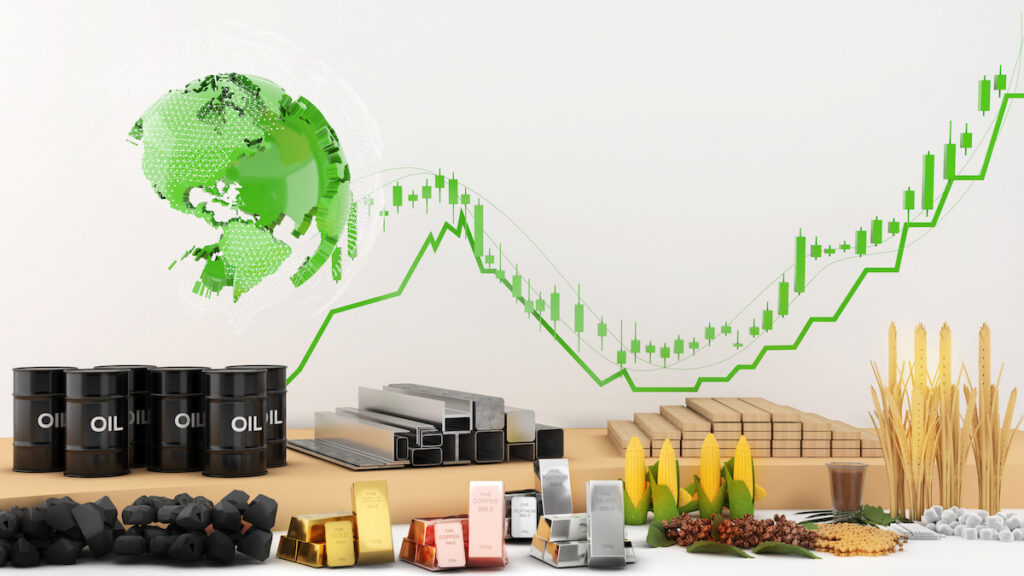
Commodities trading refers to buying and selling contracts that track the price of raw materials and natural resources. These assets are generally divided into categories based on their use and origin.
The main categories of commodities include:
Rather than taking physical delivery, most retail traders speculate on price movements using derivatives such as contracts for difference.
Many traders include commodities in their portfolios to balance risk and gain exposure to global economic activity. Commodities often behave differently from stocks and currencies, which can improve overall portfolio stability.
Common reasons traders choose commodities include:
For those learning commodities trading for beginners, understanding these benefits helps clarify why commodities are widely traded.
Commodities are traded on global exchanges and electronic platforms. Prices are determined by supply and demand, which can change rapidly due to external factors.
Key influences on commodities markets include:
Because many commodities are priced in US dollars, currency fluctuations also play an important role in price behavior.
Commodities are often grouped into hard and soft categories. Understanding this distinction helps beginners navigate the market more effectively.
Hard commodities are typically extracted or mined and include:
Soft commodities are grown or farmed and include:
Each category responds to different market drivers and seasonal patterns.
Retail traders usually access commodities through derivative instruments rather than physical ownership. This approach allows participation without storage or transportation concerns.
Common trading methods include:
These instruments allow traders to speculate on rising or falling prices using leverage, which increases both potential gains and risk.
| Feature | Commodities Trading | Stock Trading |
| Asset Type | Physical resources | Company shares |
| Price Drivers | Supply and demand factors | Company performance |
| Volatility | Moderate to high | Moderate |
| Diversification Value | High | Medium |
This comparison highlights why commodities are often used to complement stock portfolios.
While commodities offer diversification, they also carry unique risks. Prices can be highly sensitive to unexpected events, leading to rapid movements.
Key risks include:
Managing these risks is essential for anyone starting out in commodities markets.
Effective risk management is a cornerstone of long-term success. Beginners should focus on protecting capital before seeking profits.
Important risk management practices include:
Applying these principles helps traders navigate volatility more confidently.
Selecting the right trading platform is an important decision. Traders should look for transparent pricing, reliable execution, and access to educational resources.
Key factors to consider include:
Many beginners consult independent review platforms such as ReviewsRXE to evaluate brokers and compare trading conditions before opening an account.
Commodities trading requires ongoing learning. Market behavior can change based on global trends, making continuous education essential.
Recommended learning steps include:
This structured approach supports steady skill development.
Learning commodities trading for beginners involves understanding how physical resources are priced, how global factors influence markets, and how risk is managed effectively. By starting with clear fundamentals, practicing disciplined risk control, and choosing reliable trading tools, beginners can approach commodities markets with confidence. With patience and education, commodities trading can become a valuable component of a diversified trading strategy.
